

Ocean freight rates on the Transpacific Eastbound (TPEB) route are experiencing a steep and unexpected surge.
The Q2 2026 Rate Surge
What was initially forecasted as a post-Chinese New Year (CNY) stabilization period has quickly evolved into a logistical bottleneck affecting thousands of US importers.
Currently, the average spot rate for a 40ft High Cube (HQ) container moving from major Chinese ports (such as Shenzhen, Ningbo, and Shanghai) to the US West Coast has climbed to $4,850. This 12% upward trend shows no immediate signs of cooling down before Q2.
The Root Cause: Congestion at Port of Los Angeles and Long Beach
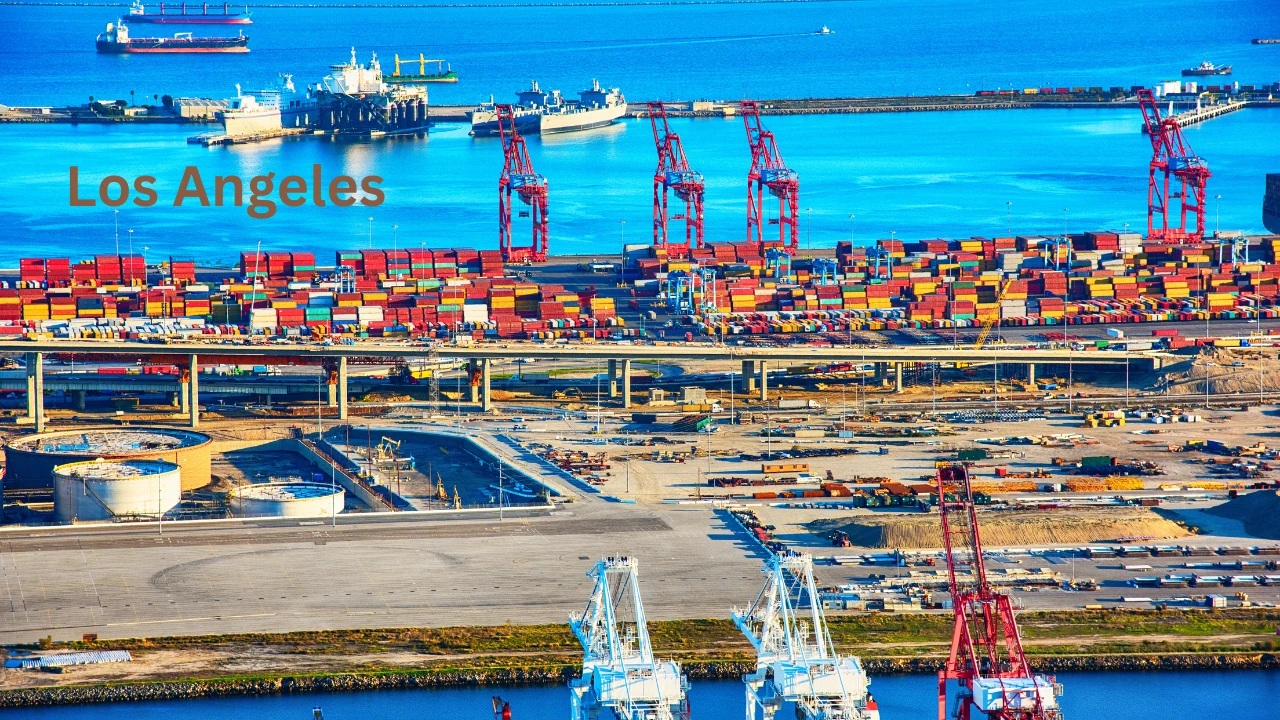
The primary driver behind this rate surge is severe congestion at the San Pedro Bay port complex (Los Angeles and Long Beach). A combination of late-arriving post-CNY vessels, intermittent labor availability shortages at key terminals, and a deficit in rail car availability has created a perfect storm.
Vessels are currently waiting at anchor longer than usual, and once unloaded, containers are dwelling on the tarmac. According to our logistics partners on the ground, this congestion is adding an average of 4-6 days to inland transit times. This means that even after your cargo arrives at the port, the journey to your distribution center is significantly delayed.
Accessorial Charges on the Rise
With containers sitting longer at terminals, the risk of incurring demurrage and detention fees has skyrocketed. Trucking companies are struggling with chassis shortages and longer turn times at the gates, making it difficult to pull containers within the allotted free time.
These hidden accessorial costs can quickly erode profit margins for importers who aren't proactively managing their drayage operations.
Actionable Advice for US Importers
In this volatile environment, resting on standard operating procedures is not enough. We strongly advise our clients and network partners to take the following actions immediately:
- Buffer Lead Times: Add a minimum of 7 to 10 days to your standard lead time calculations for Q2 inventory planning to account for ocean and inland delays.
- Book Early: Secure space on vessels at least 3 to 4 weeks in advance. Last-minute bookings are facing premium surcharges or getting rolled to subsequent sailings.
- Consider Alternative Routings: For time-sensitive, high-margin goods, evaluate the Pacific Northwest (PNW) ports like Seattle or Tacoma, which are currently reporting shorter dwell times, or consider premium expedited ocean services.
- Optimize Drayage: Work closely with your freight forwarder to pre-arrange trucking capacity before the vessel even arrives at the US port to avoid demurrage penalties.
At SupplierLinkUp, we are actively monitoring these rates and rerouting cargo where necessary to ensure our clients' supply chains remain as uninterrupted as possible. If you need assistance navigating this congestion, our logistics team is ready to step in.