
Logistics is physics. Compliance is politics. Both will break you if you’re lazy.
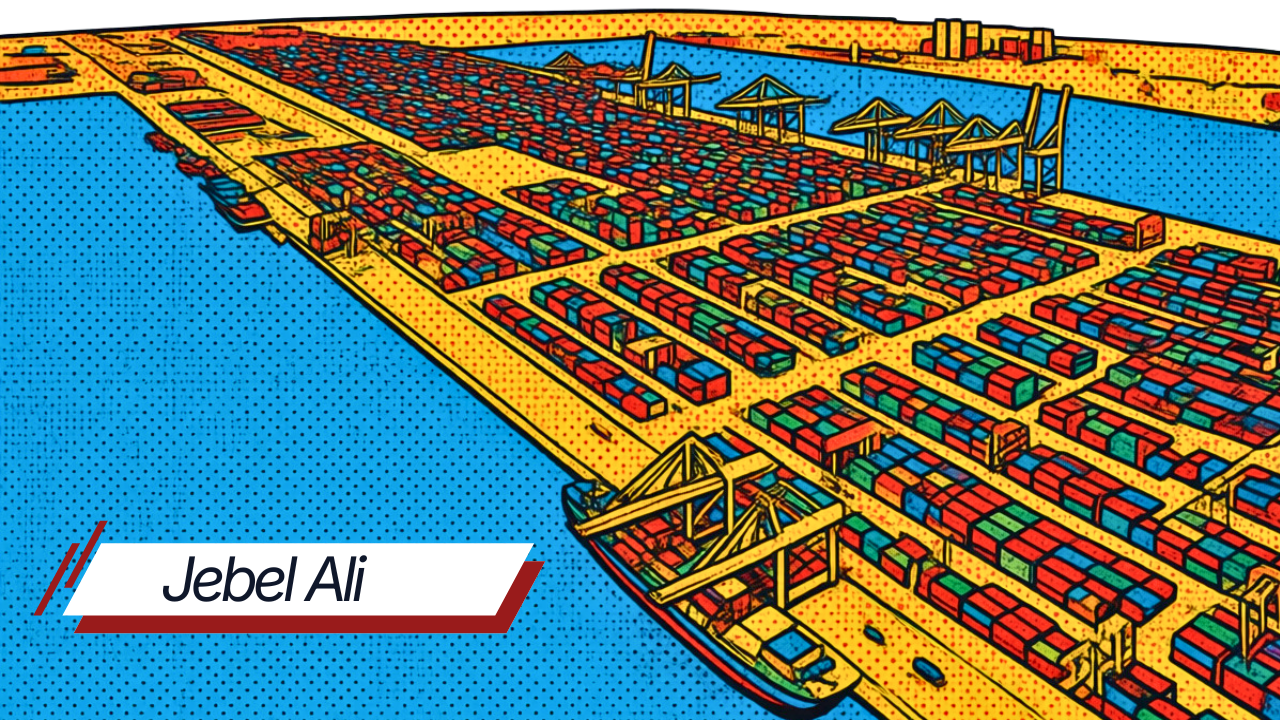
I have spent twenty years watching containers sit in Jebel Ali and Jeddah Islamic Port, racking up thousands of dollars in demurrage because a manager in Shanghai or Berlin thought "compliance" was just a box to check. It isn't. In the Middle East, specifically Saudi Arabia (KSA) and the United Arab Emirates (UAE), compliance is the product.
If you don't own the certificate, you don't own the market.
For the uninitiated, Middle East Import Compliance sounds like a legal department headache. For the veteran, it is the primary barrier to entry. If you haven't mastered the SABER portal or the ECAS framework, your goods are effectively contraband before they even leave the factory floor.
Saudi Arabia: SABER is the Gatekeeper
Forget everything you knew about shipping to Saudi Arabia five years ago. The old days of "send it and see" are dead. The Saudi Standards, Metrology and Quality Organization (SASO) replaced the manual certificate process with the SABER platform.
SABER is a mandatory online system. It is not an option. It is a digital wall.
The system bifurcates your journey into two distinct certificates: the Product Certificate of Conformity (PCoC) and the Shipment Certificate of Conformity (SCoC).
The PCoC Trap
The PCoC is valid for one year. It is issued based on the product’s risk level and relevant Technical Regulations (TRs). If your product falls under a TR—like low-voltage electrical equipment, toys, or machinery—you must involve a SASO-accredited Notified Body.
They will audit your technical files. They will demand test reports. If those reports are from an unaccredited lab, you start over.
The SCoC Reality
Once you have the PCoC, you need an SCoC for every single shipment. This is the "passport" for your container. Without it, the Saudi Customs integration with SABER will flag your bill of lading. The result? Your goods stay at the port of origin. Or worse, they arrive in Jeddah and sit in the sun while you scramble to fix paperwork that should have been done months ago.
The "pain" here is the HS Code mapping. If your HS Code is incorrectly classified, you might bypass a TR in the system only to have a customs officer at the border reclassify it. Now you need a certificate you don't have. Now you’re paying storage fees that eat your margin in forty-eight hours.
UAE: The MOIAT/ESMA Fortress
The UAE is often perceived as "easier" than Saudi Arabia. That perception is a liability.
The Ministry of Industry and Advanced Technology (MoIAT), formerly ESMA, manages the Emirates Conformity Assessment Scheme (ECAS). While the UAE is a hub of free trade, it is also a hub of strict technical regulation.
ECAS vs. EQM
For most regulated products—detergents, paints, electricals—you need an ECAS certificate. It is a proof of compliance with UAE.S standards. However, if you are dealing with high-risk items or want to signal premium quality, the Emirates Quality Mark (EQM) is the play.
The EQM involves a full factory audit. It’s expensive. It takes time. But it lasts for three years and simplifies the import process significantly.
The danger in the UAE is the lack of uniformity between Free Zones and the mainland. You might get goods into a Free Zone with minimal friction. Try to move them into the local market (onshore) without an ECAS certificate and you will face fines that make your head spin.
The Legalization Nightmare: Stamps are Expensive
Western exporters often underestimate the Middle East’s love for the physical stamp. Digitalization is happening, but the legalization of commercial documents remains a slow, manual, and punishingly expensive process.
To ship legally, your commercial invoice and Certificate of Origin often need a specific chain of "blessings":
- Local Chamber of Commerce.
- Ministry of Foreign Affairs (MOFA) in the origin country.
- The KSA or UAE Embassy in the origin country.
- MOFA in the destination country.
Each stamp costs money. In some cases, the embassy fee is a percentage of the invoice value or a flat fee that can reach $500+ per document. If you have a shipment with ten different origins, do the math.
I’ve seen $50,000 shipments delayed for three weeks because an embassy official didn't like the font on a signature. You don't argue. You just wait. And pay.
Halal: It’s Not Just About What You Eat
This is the biggest blind spot for European and American firms. They hear "Halal" and think of slaughterhouses.
In the Middle East, Halal is a standard of purity. It applies to:
- Cosmetics: Lipsticks cannot contain pig-derived collagen or certain alcohols.
- Pharmaceuticals: Capsule shells (gelatin) must be Halal-certified.
- Personal Care: Shampoos, lotions, and even toothpaste.
If you are exporting cosmetics to KSA, you deal with the Saudi Food Drug Authority (SFDA). They are rigorous. If your supply chain includes animal by-products, you need a Halal certificate from an accredited body recognized by the GCC Accreditation Center (GAC).
Without this, your "luxury" skincare line is just expensive trash at the border.
Technical Regulations (TRs) to Watch
You cannot master Middle East Import Compliance without knowing the specific TRs. These are the rulebooks.
- G-Mark (GSO Conformity Tracking Symbol): Mandatory for children's toys and low-voltage electrical appliances across the GCC. It requires a third-party test from a notified body.
- Energy Efficiency Labeling (EER): KSA is obsessed with energy. If your AC unit or refrigerator doesn't meet the specific EER rating, SABER will block the PCoC. No exceptions.
- Oxo-Biodegradable Plastics: Both KSA and UAE have strict rules on plastic packaging. If your product is wrapped in non-compliant plastic, the product itself might be fine, but the packaging is illegal.
The Strategy of the Veteran
How do you survive this? You don't leave it to your freight forwarder. They move boxes; they don't manage standards.
1. Front-Load the Data
Before you sign a contract, get the HS Codes. Run them through SABER. See what TRs pop up. If you need a factory audit, you need to know that six months before the ship date.
2. Audit the Origin
China is the world's factory, but many Chinese labs aren't GAC-accredited. If your Chinese supplier gives you a test report, verify the accreditation. A fake or unrecognized report is a death sentence for your shipment.
3. Budget for Bureaucracy
Add a "Compliance Margin" to your pricing. Between SABER fees, ECAS registration, and embassy stamps, your per-shipment cost can easily rise by $2,000 to $5,000. If your margins are thin, the bureaucracy will eat them.
4. Local Presence or Strong Partners
You need someone on the ground who can talk to MoIAT or SASO officials. Rules change. Often without a press release. A local distributor who understands the nuances of the "SFDA eCosma" portal is worth more than a top-tier consulting firm.
The Cost of Ignorance
I once saw a shipment of industrial valves stuck in Dubai for six weeks. Why? The manufacturer didn't realize the UAE had updated its regulation on pressure equipment. They tried to use an old certificate.
The storage fees were $400 a day. The "expedited" testing cost $8,000. The client canceled the order because of the delay. The manufacturer lost the cargo, the money, and the reputation.
Middle East Import Compliance is a test of discipline. The markets in Riyadh and Dubai are booming. The "Vision 2030" in KSA is creating unprecedented demand. But the gate is narrow.
The Reality Check
The bureaucracy isn't there to annoy you. It’s there to protect the local market from substandard goods and to build a data-driven economy. Once you are in the system—once your PCoC is active and your ECAS is granted—life becomes easier.
The first time is hell. The second time is a process. The third time is a competitive advantage.
Most of your competitors will quit. They will complain about the "red tape" and go back to selling in easier markets. Let them. If you can navigate the SABER portal, handle the SFDA requirements, and stomach the cost of legalization, the market is yours.
In the Middle East, the paperwork is the product. Master the paperwork, and the profit follows. Just don't expect it to be easy. Expect it to be precise.
Stop looking at the map. Start looking at the standards. That is how you win.

Sergiu Sebastian Samson
Supply Chain & Compliance Expert at SupplierLinkUp. Specializing in mitigating cross-border risk, Sergiu helps businesses build robust import strategies that withstand CBP audits, UFLPA requirements, and complex US trade laws.
Consult with Sergiu →