
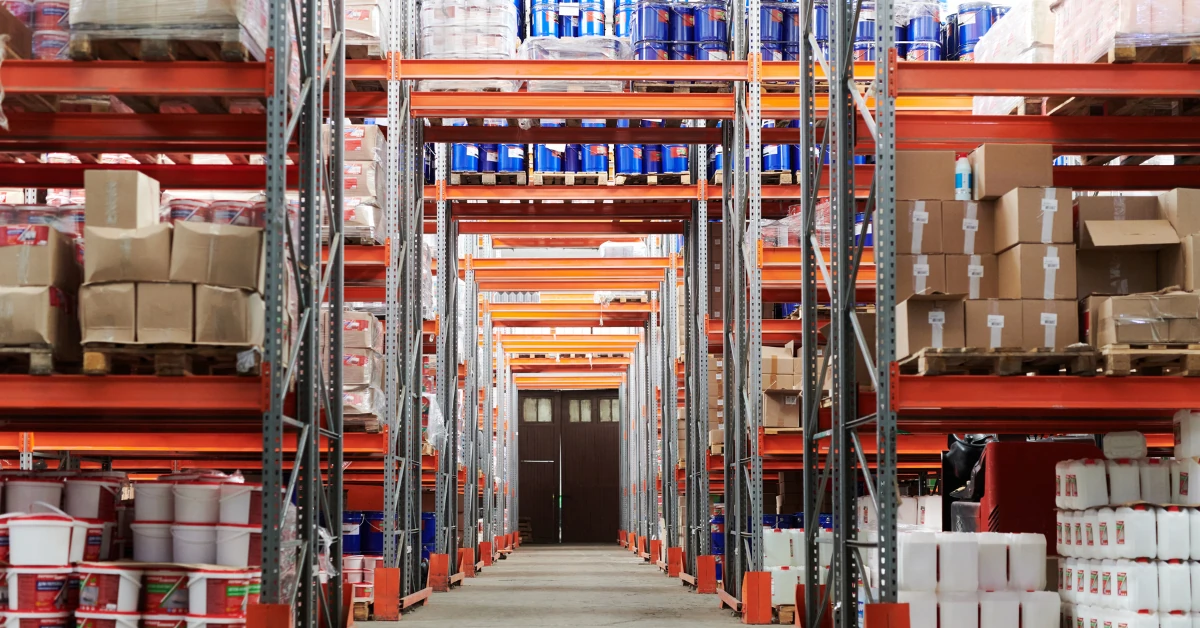
If you’re involved in international online sales and seeking a UK warehouse, aside from door-to-door delivery, which often results in long waiting times for customers, you’ll probably store your products in a warehouse. There are three commonly used types: Bonded Customs Warehouse, Fulfillment Warehouse, and Personal Storage.
In this article, Supplier Linkup will compare these three types of warehouses.
Bonded Custom Warehouse
A bonded warehouse in the UK is an ideal option for businesses requiring long-term storage of goods, such as inventory intended for Black Friday sales.
One of the key advantages of utilizing a bonded warehouse is the ability to defer customs duties and taxes until the goods are ready to be cleared for domestic consumption or re-export. This deferral can be particularly advantageous for businesses managing large volumes of imported goods, as it allows them to maintain cash flow and defer financial obligations until the goods are sold or shipped.
However, it’s important to note that while delayed customs clearance can provide financial flexibility, it may also lead to higher warehouse fees and longer processing times. These delays can impact the speed at which goods are delivered to customers, potentially affecting customer satisfaction and overall sales performance.
Fulfillment Warehouse
A fulfillment warehouse offers secure storage, inventory management, and facilitates order fulfillment as a distribution center. With a skilled workforce proficient in operating automated systems and handling order fulfillment processes, it ensures optimal operation. Choosing a fulfillment warehouse enables you to focus on marketing and sales while keeping your inventory running efficiently.
However, it’s important to note that costs may be high, and you’ll have reduced control and flexibility over your order fulfillment process. Since the center manages your inventory and shipping, last-minute changes or special requests for customers may not be feasible.
Privately Owned Warehouse
A privately owned warehouse is a facility rented for storing products that have completed customs clearance and are ready for next-day delivery, aiming to ensure the fastest possible delivery to react promptly to market demands. These warehouses can take various forms, including small shops utilizing their homes for temporary storage or shop sellers renting local warehouses for long-term storage.
The advantage of these warehouses lies in their flexibility in handling standard and next-day deliveries, making your online selling more competitive. However, the disadvantage is that you’ll need to ensure the chosen warehouse provides guaranteed security systems, fire prevention measures, and appropriate storage conditions for your goods. Additionally, it’s essential to verify whether the rented warehouse complies with UK regulations.
A Comparison of Three Types of UK Warehouses
| Aspect | Bonded Custom Warehouse | Fulfillment Warehouse | Privately Owned Warehouse |
|---|---|---|---|
| Purpose | Temporary storage for imported goods without payment of duties until clearance. | Storage, order fulfillment, and logistics for e-commerce. | Storage for personal belongings or privately owned inventory. |
| Customs Duties | Deferred until goods leave the warehouse. | Regular duties and taxes apply upon import. | Regular duties and taxes apply upon import. |
| Regulations | Subject to customs bond and procedures. | Subject to standard business and employment laws. | Subject to local property and safety regulations. |
Supplier Linkup: Your Trusted Sourcing Partner
If you want to source products from Supplier Linkup, we act as a trustworthy go-between, making sure both sellers and buyers benefit and trust each other in their agreements.

Alice Sheng
Sourcing Expert
Expert China Sourcing Agent with deep roots in China quality control and international supply chain management.
Consult with Alice →